



A year ago, if someone had asked me to write about personal branding, I would have said no. Honestly, I didn't think I had developed anything worth calling a personal brand.
These days, the messages I receive tell a different story. I get DMs from fellow product marketers asking about AI implementation, podcast appearances, or career transitions. They know exactly why they're reaching out to me, and that clarity feels incredible. It means I've created something tangible – a signal in the market about who I am and what I can offer beyond my job title.
As PMMs, we spend our days crafting compelling narratives for our companies, building brands that resonate with target audiences, and ensuring our messaging cuts through the noise. We're experts at positioning, differentiation, and value propositions.
Yet when it comes to applying these same principles to ourselves, many of us freeze. We're so focused on building our company's brand that we forget about our own.
The reality is that personal branding matters more than ever for product marketers. In a world where roles shift, companies restructure, and the job market remains unpredictable, your personal brand becomes your professional safety net. It's what helps you stand out in a sea of talented PMMs, attracts the right opportunities, and builds meaningful connections within our community.
In this article, I'm going to walk you through exactly how to do that. Here's what we'll cover:
- Why personal branding matters for PMMs
- What personal branding is (and what it isn't)
- A five-step framework for identifying and building your brand
- How to turn your everyday work into content that builds your reputation
- A personal branding checklist to make sure you're on the right track
Why your personal brand matters more than you think
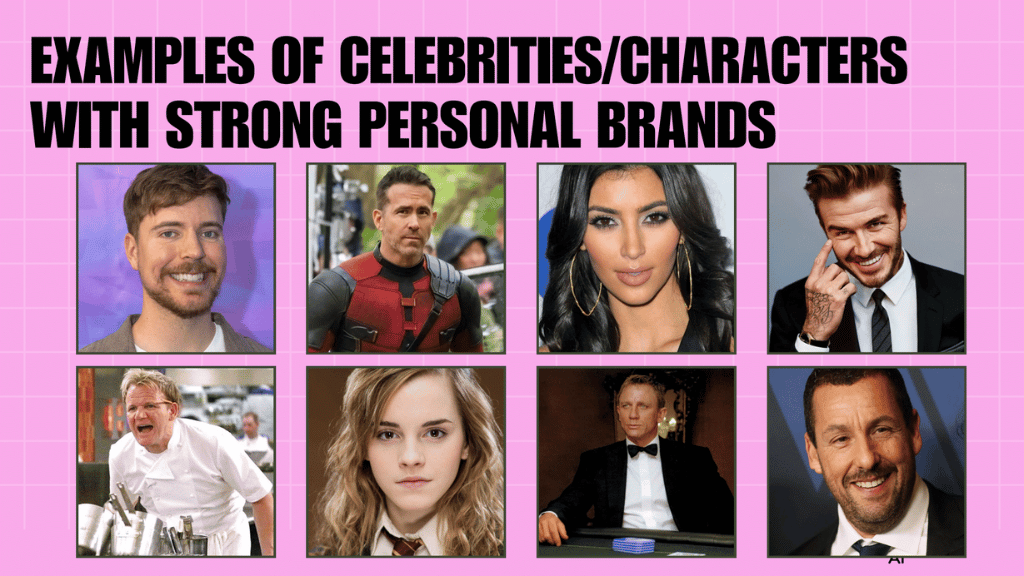
When you think about people with strong personal brands, who comes to mind? Maybe it's Gordon Ramsay with his fiery kitchen personality, David Beckham with his suave-yet-approachable sophistication, or the Kardashians with their empire-building prowess.
These are obvious examples from the world of entertainment, but the same principle applies to product marketing.
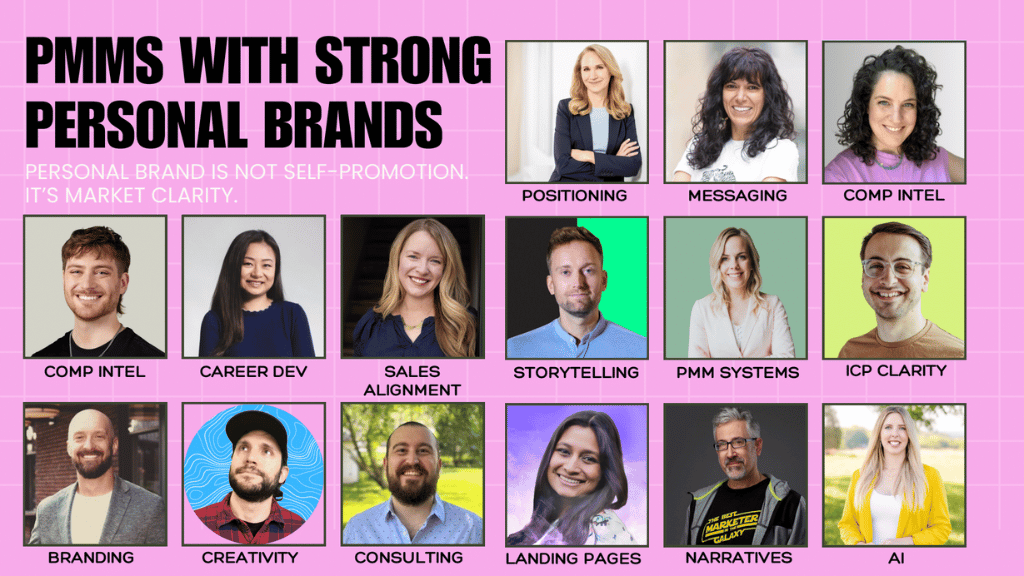
I’m seeing more and more PMMs who've built distinct personal brands around their specific areas of expertise. There are some I immediately think of when I need help with messaging and positioning, others who come to mind for competitive intelligence, and some who are go-to resources for sales enablement strategies.
The benefits extend far beyond recognition. A strong personal brand keeps you professionally safe in an uncertain job market. It opens doors to opportunities you didn't even know existed. It attracts like-minded professionals who share your challenges and can offer support. Most importantly, it gives you control over your professional narrative rather than leaving it to chance or others' perceptions.
Personal branding often translates to tangible business results. Collin Mayjack, for instance, has been incredibly vocal on LinkedIn about his company Sybill, sharing actual revenue numbers and demos booked directly from his LinkedIn presence.
When you can tie your personal brand back to business value – whether it's pipeline generated, deals influenced, or talent attracted – you're demonstrating the kind of impact that drives promotions and career growth.
For expert advice like this straight to your inbox every Friday, sign up for Pro+ membership.
You'll also get access to 30+ certifications, a complimentary Summit ticket, and 130+ tried-and-true product marketing templates.
So, what are you waiting for?
Understanding what personal branding really means
Before we dive into building your brand, let's clear up what personal branding actually is – and what it isn't.
At its core, personal branding is about creating an external signal that helps recruiters, colleagues, and potential connections understand what you're good at and passionate about. It extends far beyond your current job title or company affiliation.
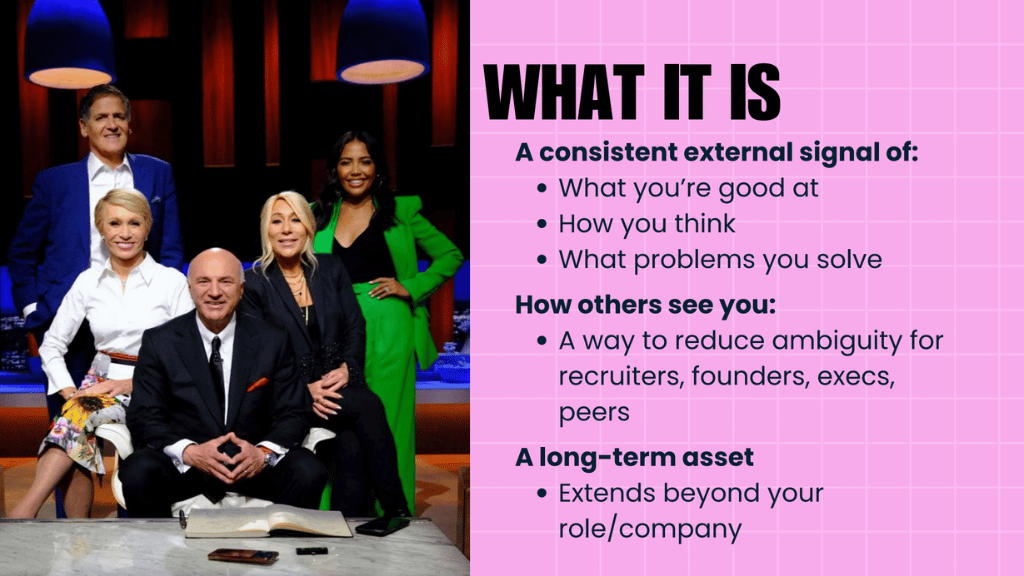
Think of it like the sharks on Shark Tank. You generally know which types of companies each shark will be interested in before the pitch even starts. That's the power of a clear personal brand – people know what to expect from you and when to seek you out.
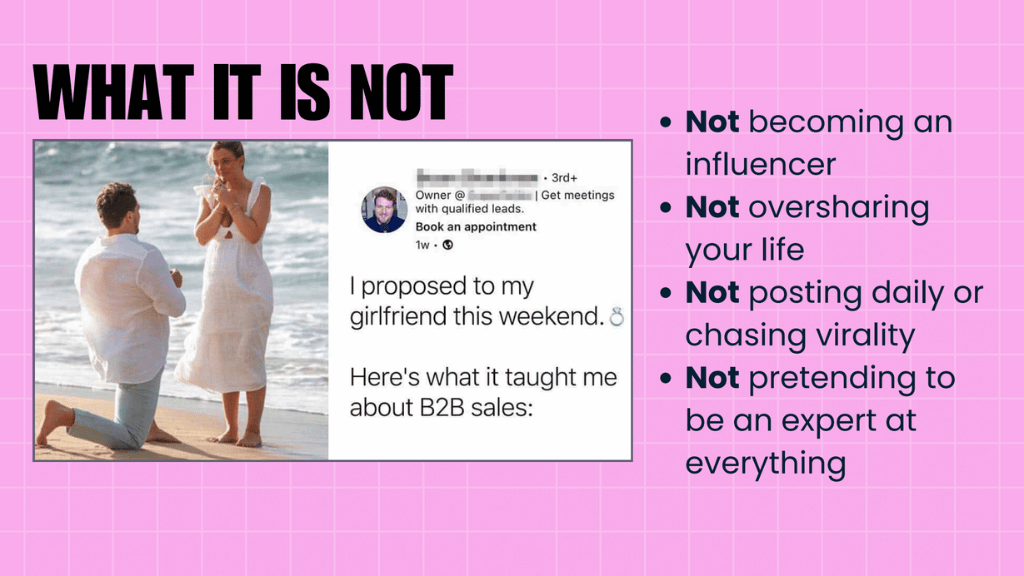
What personal branding isn't: those cringe-worthy LinkedIn posts about getting engaged followed by some shoehorned lesson on B2B SaaS. Your personal brand should feel natural, not like you're performing a role or forcing connections that don't exist.
You already have a personal brand – you just haven't chosen it yet
Chances are, you already have an internal personal brand at your company – whether you’re aware of it or not. Maybe you're known as the competitive intelligence expert, the slide deck wizard, or the person who always delivers killer sales enablement materials.
Early in my career, I was the "slide deck girl" – if anyone needed something creative, on-theme, and visually compelling, they came to me. But I'm so much more than just slide decks! I just didn’t yet understand the value of a personal brand or how to shape it.
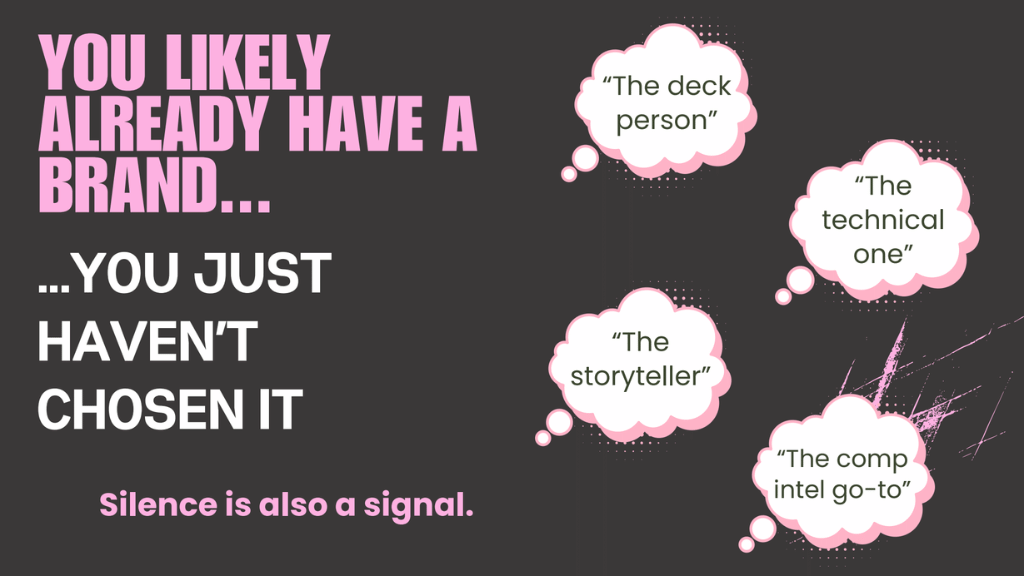
The key is taking control of your narrative and being intentional about how you want to be perceived. Remember, silence is also a signal. If you're not actively shaping your personal brand, others are likely doing it for you based on limited interactions or narrow observations.
Your personal branding framework
So, how do you actually build a personal brand that feels authentic and sustainable? The good news is it doesn't have to be daunting or feel like a mountain of extra work. In fact, here's the rule of thumb I always come back to:
If it feels obvious or even easy, you're doing it right.
The goal is simple – create a clear external signal so that recruiters, colleagues, and connections immediately know what you're good at, what you're passionate about, and what you can teach them.
The five-step framework below will help you get there. Grab a notebook, open your phone's notes app, or pull up a doc – this is very much a worksheet kind of exercise, and you'll want to capture your answers as you go.


Product marketing insider
Thank you for subscribing
Level up your product marketing career & network with product marketing experts.
An email has been successfully sent to confirm your subscription.
 Follow us on LinkedIn



.svg)