










How often have you poured your heart into a 40-page sales deck, only to find it gathering digital dust in a folder somewhere?
It’s a common frustration: we provide the assets, but the sales team just doesn’t use them. We're great at providing enablement tools, but we often miss the mark on ensuring those tools actually get used.
I’m here to help you turn that around.
In this article, you’ll discover why the "more is better" approach to sales enablement assets is failing, and how to shift your strategy toward high-impact adoption. Here’s a peek at what we’ll cover:
- The partnership: Why embedding yourself with your sales team – and becoming their trusted co-creator – is the foundation of real adoption.
- The intelligence: How win/loss analysis, both formal and informal, can sharpen your messaging and tie your work directly to revenue.
- The generation gap: How to meet Gen X, Millennial, and Gen Z reps where they are with content that actually works for each of them.
- The toolkit: A practical framework for tailoring your enablement content to different learning styles.
- The challenge: Three steps you can take this quarter to audit, refresh, and improve your current approach.
By the end, you’ll have a clear roadmap to move from churning out assets to creating must-have resources that your sales team actually values.
Let’s dive in.
From content factory to strategic partner
First, a couple of quick questions:
- Do you spend time each month with your sales team and customers – either in the field or on calls?
- Do you regularly rotate through your sales team, talking to different reps each quarter?
If you answered yes, gold star. If not, you need to start. Aim to set aside three days each month to get to know your sales team and their work. This time is gold – gold for your content creation and for building trust.
If you want sales to believe what you say, they can't look at you and wonder what you actually know about their world. You can't be some desk-bound marketer; you have to be the person who went out in the van, sat in that meeting, and asked a hundred questions afterwards.
You'll also pick up intelligence you can't get any other way. You'll see how your team is using – or not using – the enablement assets you give them. Are they going completely off script? You only know when you're watching it happen.
For expert advice like this straight to your inbox every Friday, sign up for Pro+ membership.
You'll also get access to 30+ certifications, a complimentary Summit ticket, and 130+ tried-and-true product marketing templates.
So, what are you waiting for?
Also, if your company records sales calls, make a habit of listening to them! That's an absolute goldmine of insights.
The goal is to move from content creator to co-creator to trusted partner – and that starts with showing up.
Win/loss analysis
Another powerful tool for understanding your salespeople’s world is win/loss analysis.
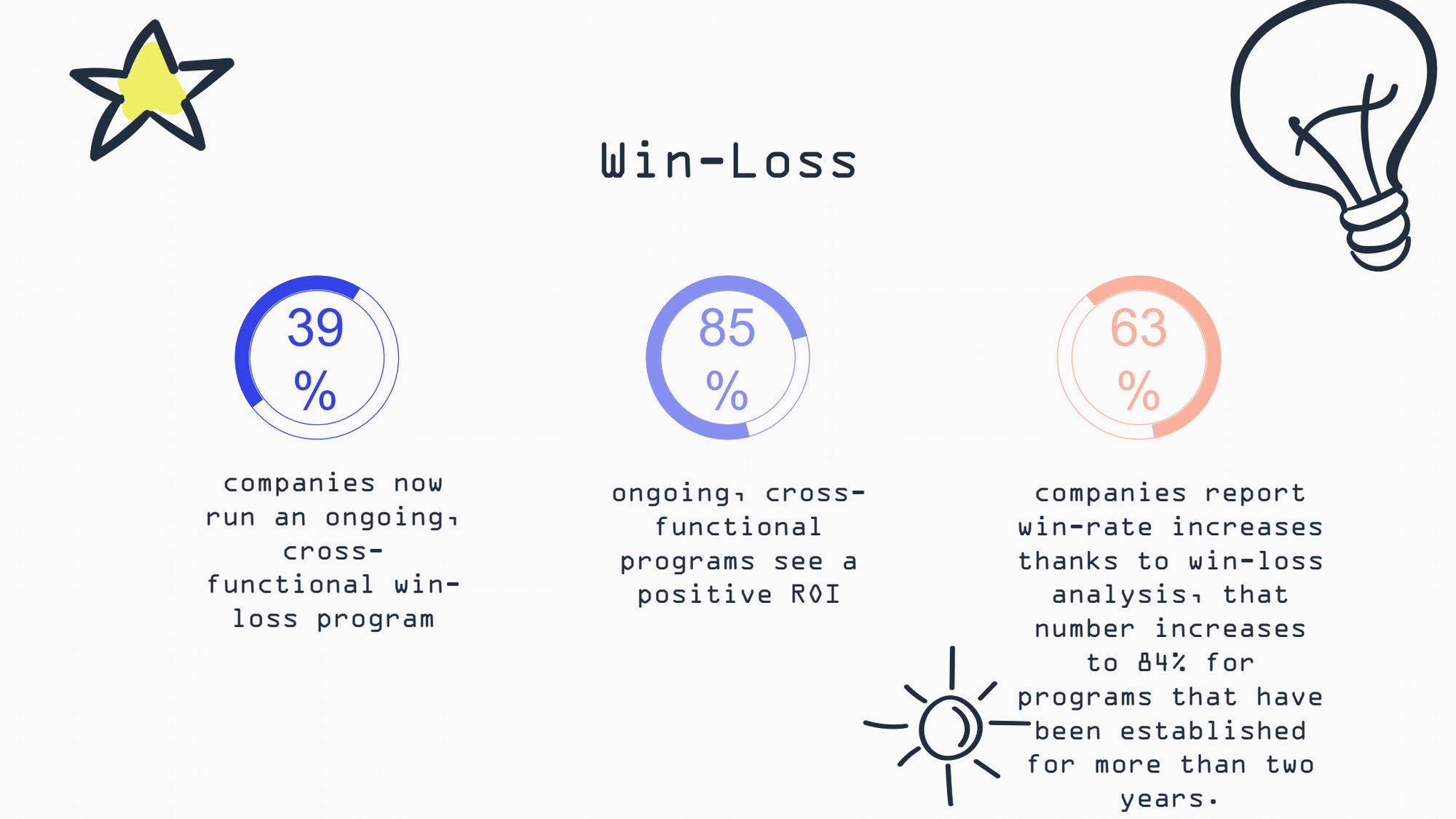
According to the State of Win/Loss Analysis Report, only 39% of companies run an ongoing, cross-functional win/loss program, but 85% of those see a positive ROI, and 63% report win-rate increases. For programs running more than two years, that jumps to 84%.
At Dormakaba, we're starting a win/loss analysis program next month. It took six months of database cleanup to get here, but I know it's going to transform how we handle objections and refine our messaging.
In the meantime, I’m doing informal win/loss before customer visits, and it’s been eye-opening. When you're in a meeting and can reference past losses with that customer, then dig into what went wrong, you get insights no survey could ever capture. Plus, it shows the customer you're paying attention and continuously improving.


Product marketing insider
Thank you for subscribing
Level up your product marketing career & network with product marketing experts.
An email has been successfully sent to confirm your subscription.
 Follow us on LinkedIn


.svg)